Whether you are still weighing it up or already booked,
pick the areas you want back and see what the grafts pay for.
What do you want to restore?
Select all that apply
Please click to select an area above.
How it works
One photo to start
Take a picture from the front and the crown. Hairflow maps your hairline, your density and the shape of your scalp from the photo itself, with no scans and no clinic visit.
Choose the result
Move the hairline forward or back, set how dense the coverage should be, and pick the direction the grafts run. Every choice redraws the preview on your own face.
Before and after, side by side
Drag the slider between today and the projected result. Save the comparison, send it to your surgeon, and walk into the consultation knowing exactly what you asked for.
What a preview looks like
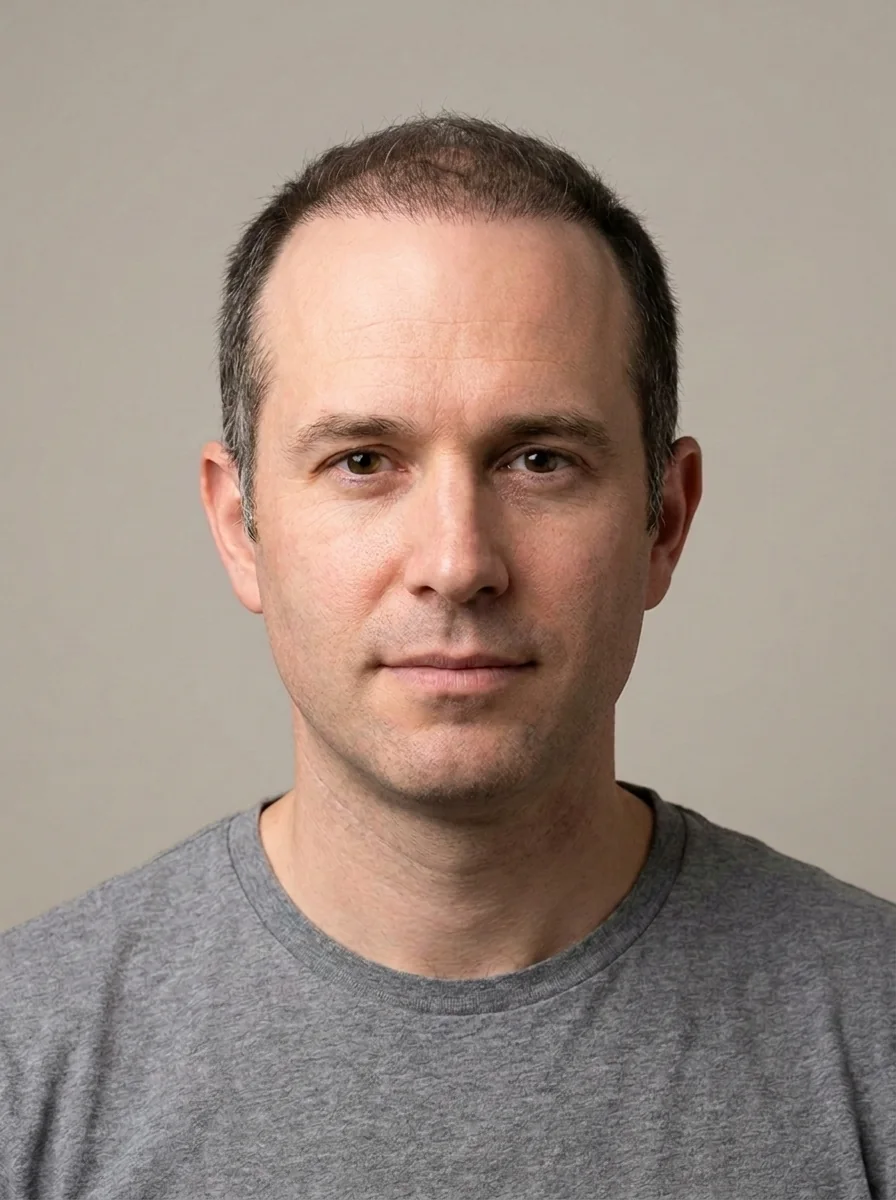
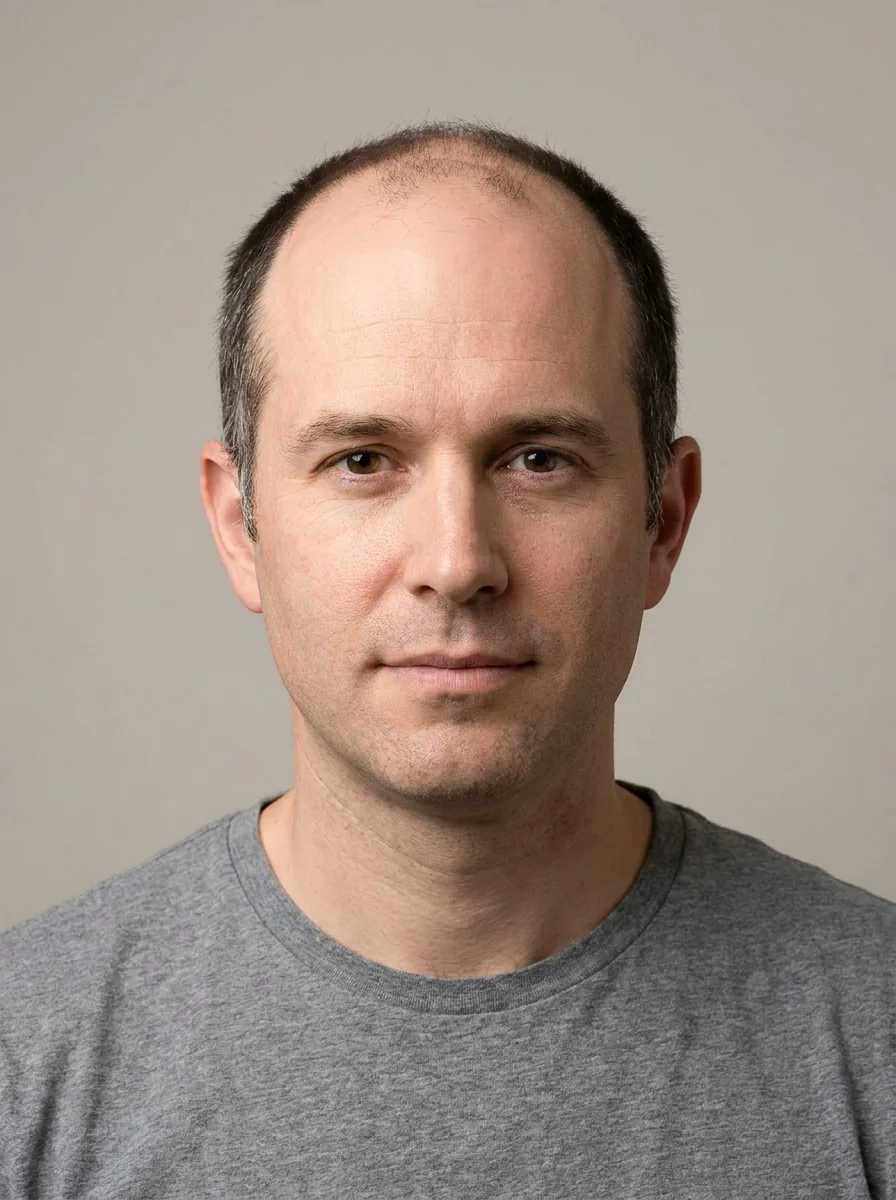
Mature hairline and mid-scalp
3,000 grafts, placed at about 40 per cm² — roughly half the density of hair that never fell out. That is the number a surgeon actually plants, and it is enough to read as full.
Generated illustrations, not patients. Each one shows the area a given graft count covers, at the density a surgeon would actually place.
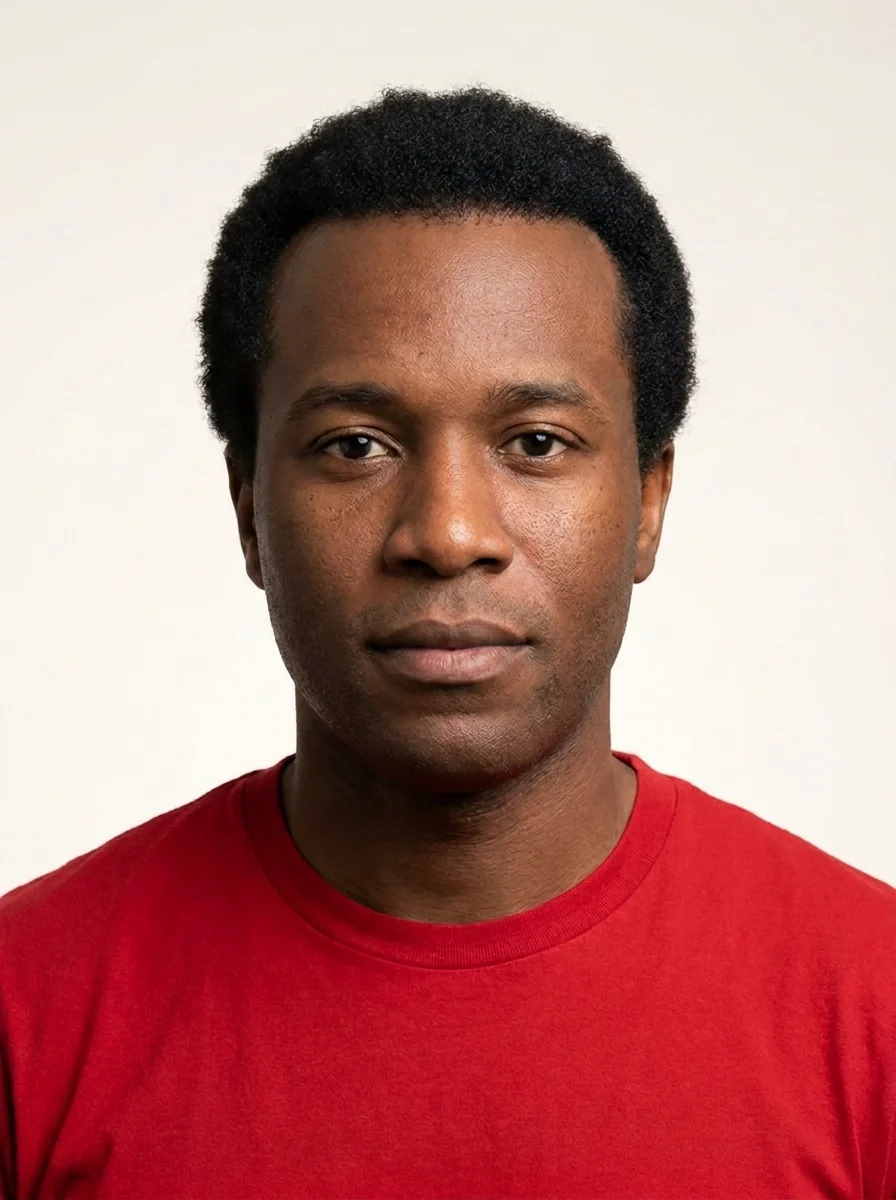
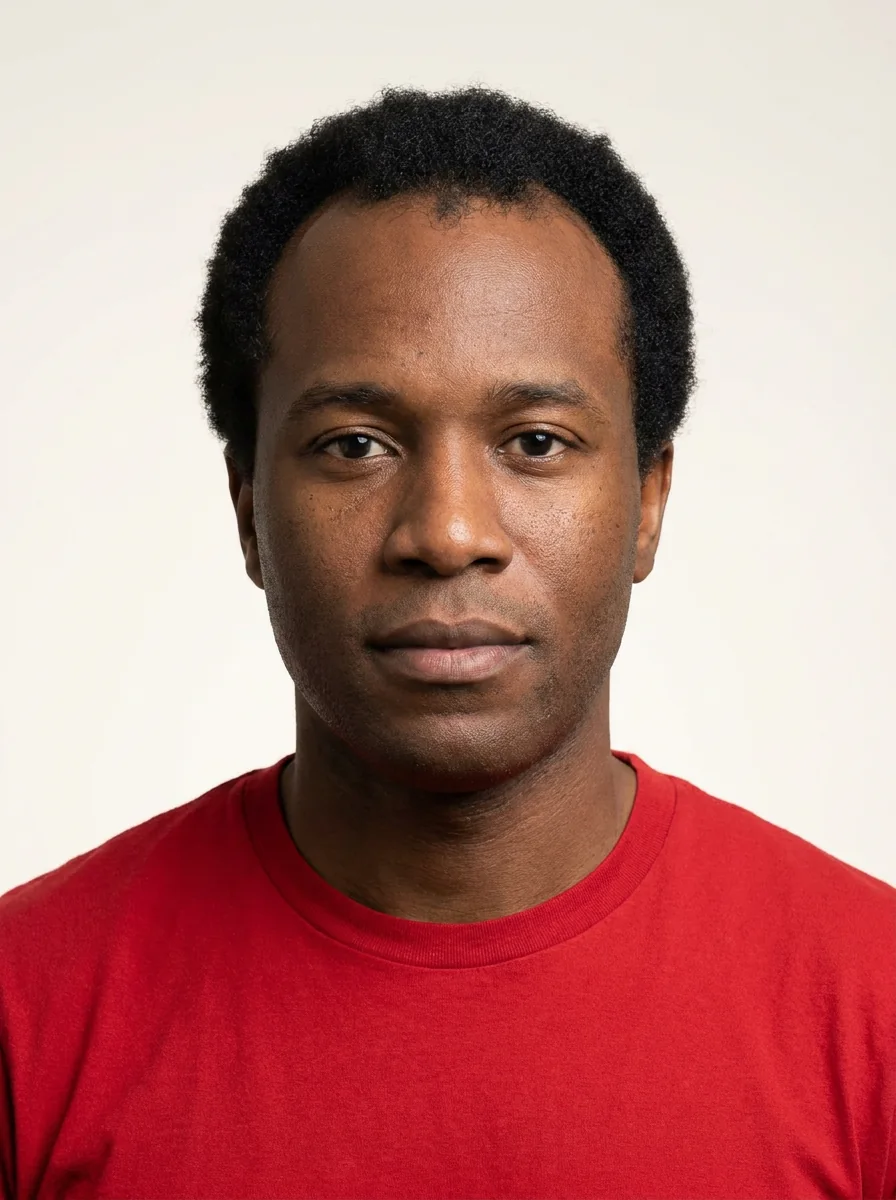
Rounded hairline, 2,000 grafts
Coarse, tightly curled hair shades more scalp per graft, so 2,000 rebuilds both temple corners and the front at about 40 grafts per cm².
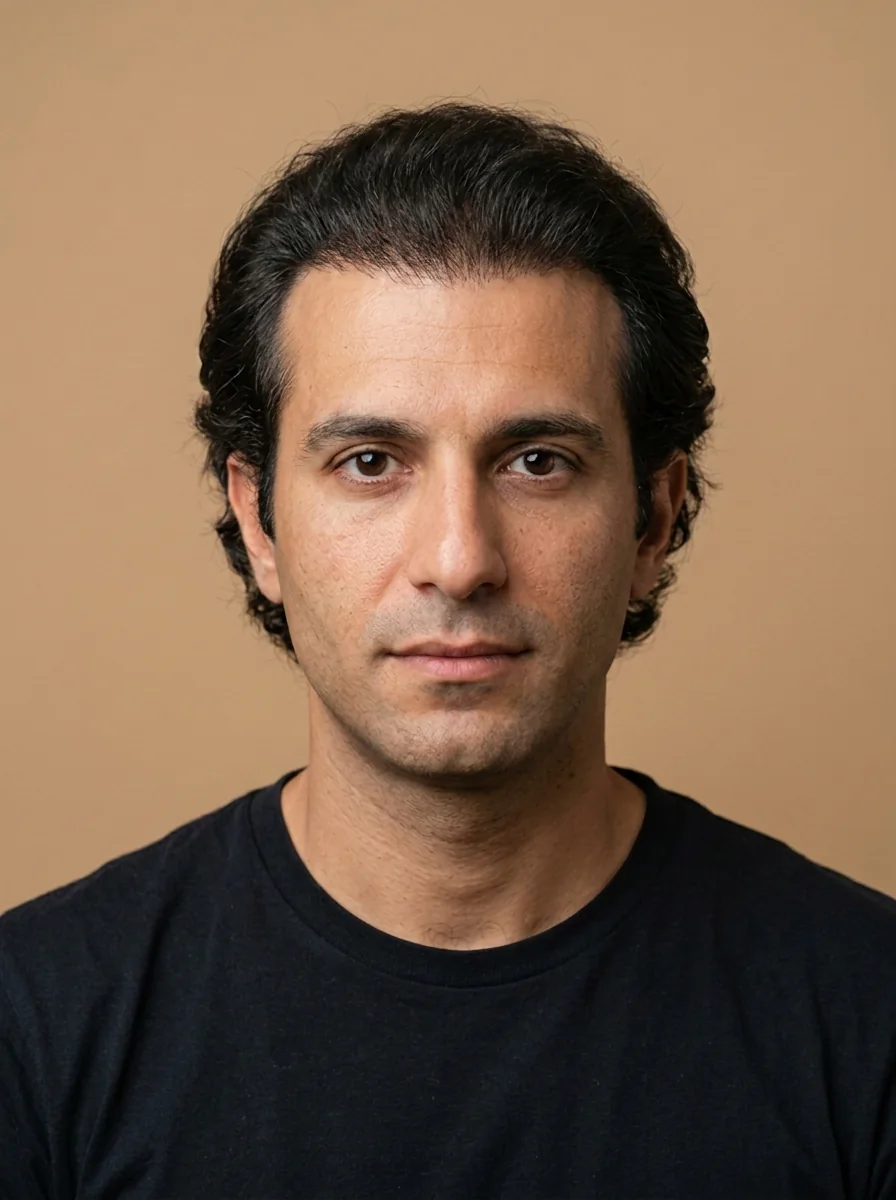
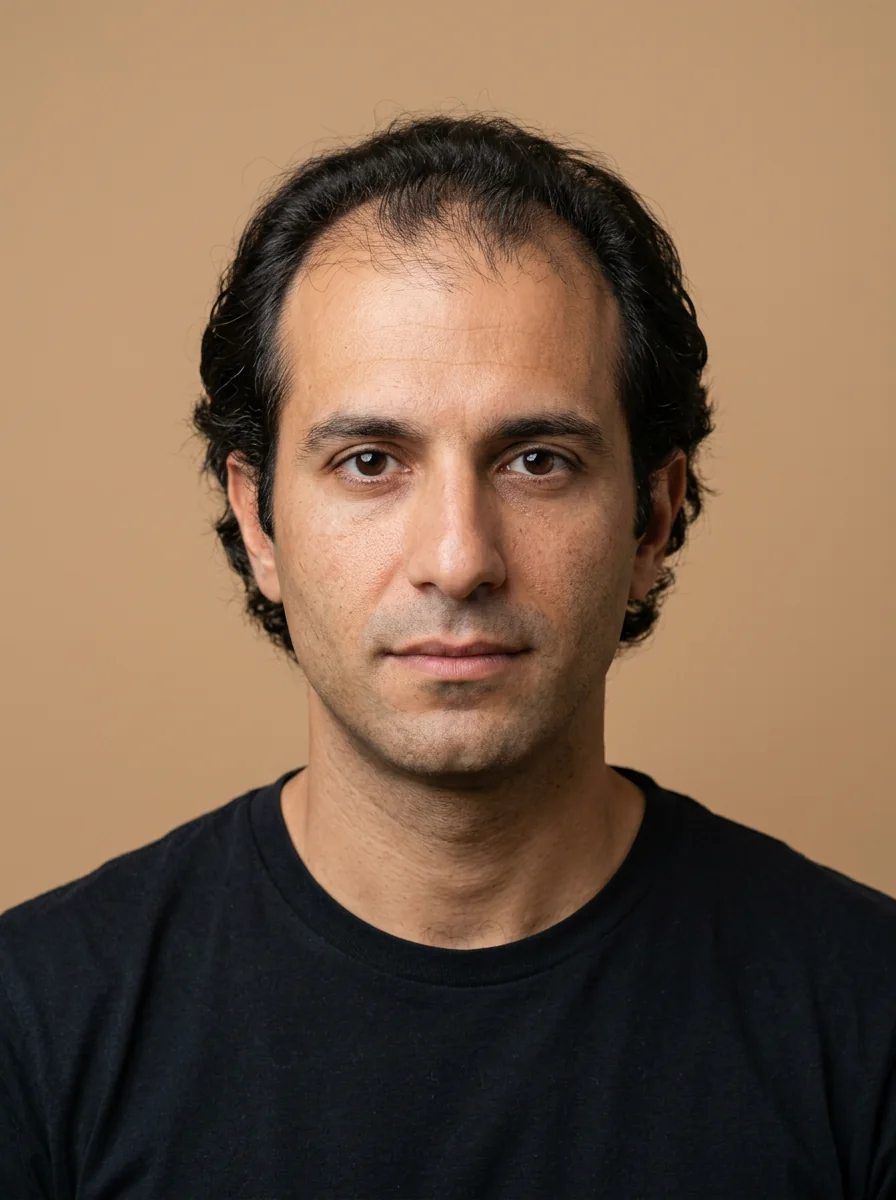
Hairline and mid-scalp, 2,500 grafts
2,500 across the frontal third and the mid-scalp. Longer hair falls over the area, so a moderate density still reads as full.
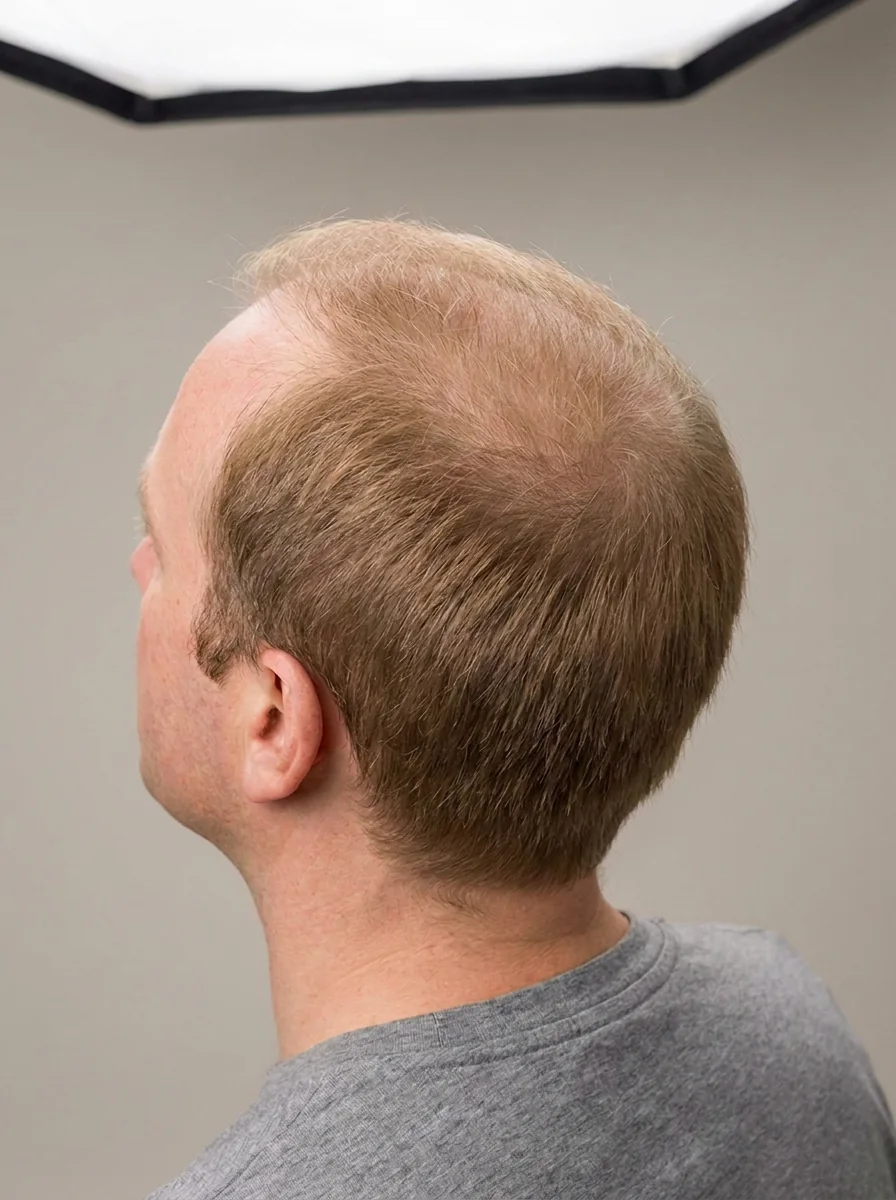
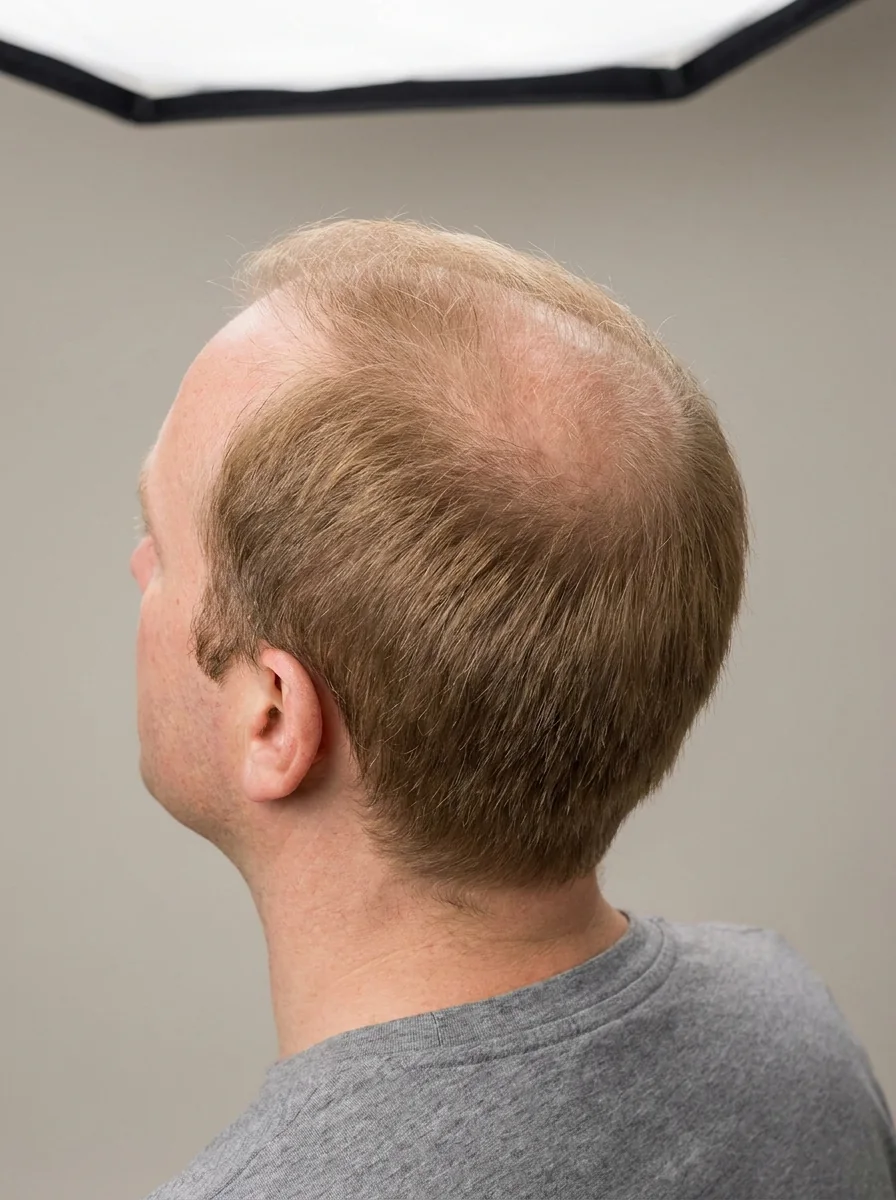
Crown coverage, 1,500 grafts
The crown costs the most grafts for the least visible gain, so it is planted lighter — around 30 per cm² — and the budget goes further forward.
What the preview is, and isn’t
It is built from graft counts, not wishes
Every hairline you pick is priced in grafts. Move the hairline forward and the count goes up. Ask for more than your donor area can give and Hairflow says so, rather than drawing hair that cannot exist.
It is a projection, not a guarantee
Healing, hair calibre and how the grafts take all vary. Treat the preview as the plan you and your surgeon agreed on, a shared reference for the conversation, not a promise of the outcome.
Your photo stays yours
Photos are processed for your preview and nothing else. Delete a session and the images go with it. Nothing is published, sold, or used to train anything.
How the projection is built
Four measurements decide what the preview can show. None of them are guesses about the future. They are constraints read off the photo you gave us.
Donor supply
The back and sides of your scalp hold a finite number of transplantable follicles. Hairflow estimates that supply from the crown photo and treats it as a ceiling, so the preview never draws hair the donor area cannot fund.
Density per square centimetre
Grafts are spread across an area, so coverage is a division problem. Two thousand grafts across a small hairline reads thick. The same two thousand pushed forward and across the crown reads thin. The preview shows you which one you chose.
Hair calibre and colour contrast
Thick, dark hair against pale scalp covers differently than fine hair of a similar shade. Both are measured off your photo and applied to the projection, which is why two people with the same graft count get different previews.
Where the loss is still moving
A hairline placed today has to still make sense in fifteen years. Hairflow flags the areas likely to keep thinning, so the plan you preview accounts for the head you will have later, not only the one in the photo.
For clinics
Most disputes after surgery are expectation problems, not surgical ones. Hairflow puts the agreed plan on record before anyone books a theatre.
Run it in the consultation
Sit with the patient, move the hairline together, and settle the graft count while they watch what each choice costs. The conversation ends with one image you both agreed on.
A signed-off plan on file
Every preview saves with its hairline, density and graft count attached. Your surgical team works from the same record the patient approved, and nobody relies on memory of a chat six weeks ago.
Fewer consultations that go nowhere
Patients who can see what their donor area supports arrive already realistic, which means less time spent talking people down from hairlines they cannot have.
Questions
How accurate is the preview?
It is accurate about what a given graft count can cover, because that part is arithmetic. It cannot predict how well individual grafts take or how you heal. Read it as the plan, not the photograph of your result.
Does it work on every hair type?
Straight, wavy, curly and coiled hair are all supported. Curl pattern changes coverage significantly, since coily hair covers more scalp per graft, and the projection accounts for it.
What happens to my photos?
They are processed for your preview and stored against that session only. Delete the session and the images are deleted with it. They are never published, sold, or used to train models.
Can I bring the preview to my own surgeon?
Yes. Every preview exports as an image plus a one-page plan listing hairline shape, graft count and density, which any clinic can read whether or not they use Hairflow.
What does it cost?
Previews are free for patients. Clinics pay per seat for the consultation tools and the saved plan record.